Facebook
 X
X
 Pinterest
 Copy Link
Does A Homeowner Association Fit Your Lifestyle?
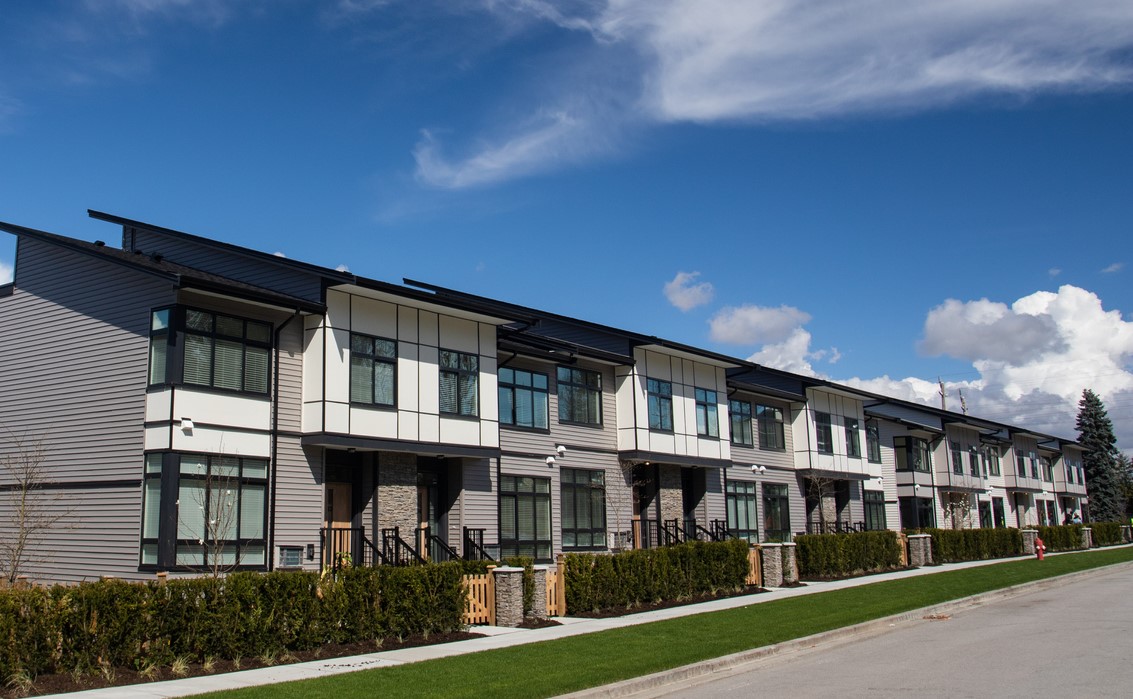 Most condominium communities are governed by a homeowner association (HOA) but single family residence communities can also have community associations.
HOAs are self-governing, made up of homeowners serving/volunteering on a Board of Directors, often with the guidance of a professional association management company hired by the HOA. The association management company oversees repairs/improvements, services and maintenance, accounting, collection of HOA fees and payment of taxes, utilities, repairs, emergencies, etc. The HOA enforces rules and regulations that serve to preserve the appearance, quality and safety of a community.
HOA rules and regulations are designed to maintain a desirable quality of living, a safe environment for owners and guests and protect community property values. While these rules are beneficial for all, not all owners (or tenants) may chose to abide by the rules. If an owner fails to comply with the rules or pay their association dues in a timely manner, there can be financial penalties or legal action by the HOA.
If you purchase a home with a HOA it’s important to review and understand the HOA documents. This package of disclosures, known as a resale certificate, must be delivered by the seller to a prospective buyer within a timely manner (per the contract). The buyer has a specified time frame to review the documents, obtain more information if needed, and approve the resale certificate documents. If disapproved, the buyer may terminate the purchase contract.
Resale certificate documents are pretty dry reading, but contain important information about the community’s financial health and reserves. Meeting minutes can disclose information about the past repair/maintenance history, future capital improvement projects (and potential assessments), rental caps or rental restrictions, lawsuits by or against the HOA or individual owners, etc.
Buyers should be sure HOA rules and regulations don’t impact how they intend to use the property. There may be restrictions regarding pets, driveway parking, home businesses, modifications to exteriors, etc. Buyers should also understand the financial impact of regular HOA fees, as the additional expense will be evaluated by a lender if obtaining a loan to finance the purchase.
The professional association manager and HOA Board of Directors work to ensure the community’s structures and common areas are maintained and attractive, repairs are completed in a timely manner and the quality and value of the community is preserved for the benefit of all owners. Ultimately it is the buyer’s decision whether living within the guidelines of the HOA will be fit their lifestyle.
Condos Come in Many Shapes and Sizes
There is on one-size-fits-all condominium. Condos can be one level (known as a flat) in a low-rise, mid-rise or high rise building, or an attached or detached multi-level home.
Condominium actually refers to the form of ownership or the legal description of the property – how it is deeded. With the majority of condominiums, whether a flat or townhouse, you own the unit from the walls-in, and the legal description or deed designates the property as a condominium. When you purchase a condo it is individual ownership, like a single family home, but you only own the interior which includes walls, floors, fixtures, etc. Condo owners pay property taxes and insure only their individual home.
Condos have individual ownership but there will be shared ownership of common areas such as hallways, lobbies, parking structures, roadways, pools, playgrounds, community spaces, etc. Typically a homeowner association and often a property management company maintains the common areas. Owners pay a monthly assessment (homeowner dues) to cover the management fee, maintenance, master insurance policy, reserves for future repairs, utilities, common area property taxes, etc.
Townhouses sometimes blur the lines. Most are condominium ownership, but in some communities townhomes, whether attached or detached, can be deeded as single family homes. Depending on the governing documents of the community, owners may own the building and the land beneath the structure. In this case, depending on the legal description and governing documents, the owner may be responsible for the maintenance and related expenses for the building and the land.
Before purchasing a condo it is important to understand how the ownership is structured, whether there are regular monthly assessments, what those assessments cover and if a homeowner association and/or professional management company oversee the maintenance of common areas, limited common areas, building exteriors, amenities, etc.
Living in a condominium is different than a single family home. There may be some compromise on privacy and space, but condos generally offer a more maintenance free lifestyle. There are often sought-after amenities such as parks, pools, designated pet areas, sport courts, etc. that you wouldn’t have with a single family house. There may also be rules and regulations regarding exterior alterations, pets, parking, etc. If a low maintenance lifestyle is appealing a flat or townhouse could be the right home choice.
Selling a Home? How Important is Staging?
Early in my career home staging was rare and typically used only in high end properties. Professional photography wasn’t common either – most brokers took their own marketing photos.
Today online is almost always the first exposure buyers have to a new listed home. Hiring a professional photographer is a requirement, rather than an option, and staging has become more common regardless of price.
If a home is occupied staging can be as simple as decluttering or depersonalizing a home. Removing excess artwork, decor and furniture, personal photos, pet items, hobby items, toys, etc. can help potential buyers envision themselves living in the home rather than the current owner.
If a home is vacant staging takes home prep a step further. A designer will bring in neutral furniture, decor and art specifically chosen to fit the style of the home and interior spaces along with soft staging items for the kitchen and baths. Staging can make an empty home feel warm and inviting.
Staging doesn’t have to be expensive . . . a homeowner can stage their home for the market by completing updates/upgrades/repairs. A quick refresh can be completed in a few weekends – fresh interior or exterior paint, update light fixtures inside and out, landscape clean-up, update kitchen and bath plumbing and/or cabinet fixtures, clean/replace carpet, clean out and pack closet and garage clutter, etc. Minor repairs and updates go a long way toward improving the presentation and appeal of a home.
For vacant homes, staging provides buyers with a vision of how they could live in the home. Staging can set a vacant home apart from other properties and often reduces the time a home is on the market. The staging designer selects furniture to specifically fit a room size and layout and enhance the best use of the space. While the whole house can be staged, it’s common to see living and dining spaces staged, outdoor living areas to draw a buyer’s interest outdoors and “soft” staging in kitchens and bathrooms.
Professional staging is a valuable marketing tool but can be expensive. The cost includes the designer’s fee, charge to deliver, move in and set up the furniture and decor and the cost for move out after a home has sold. There is also a monthly rental charge for the furniture and artwork placed in the home.
Virtual/digital staging is another option and less expensive. Furniture and decor is digitally added to the professional photos giving the appearance of being furnished. It should, however, be disclosed that a home has been virtually staged.
If you’re getting ready to sell your home, talk with your real estate broker about the benefits, pros and cons of staging.
Fall Interest Rates – What to Expect

flickr.com/mikelawrence
High interest rates continue to make it challenging to buy a home. Some buyers have chosen to delay their home search, holding out for mortgage rates to decline later this year.
It’s highly unlikely the 3% interest rates we saw a few years ago will return in the near future, if ever. Rates crested 7% earlier this year, but have settled into the high 6% range. Expectations are that rates could settle into the mid 6% range, but anyone hoping for mortgage rates to drop under 6% may have a long wait.
Despite high interest rates, housing demand continues to support Seattle/King County area home values. Low inventory combined with high demand will continue to drive the local market as fall approaches. While condo values haven’t increased quite as much as single family homes, prices have still increased year-over-year as condos continue to provide an affordable alternative for some buyers.
With home prices and mortgage rates impacting buyer decisions, high interest rates have also kept sellers out of the market. Hesitant to give up a 3% mortgage interest rate, they’re delaying plans to sell, adding to the low level of available inventory.
It will be interesting to see if the Federal Reserve’s anticipated interest rate cuts in September will have a significant impact on mortgage rates, buyer confidence and available inventory. It is unlikely mortgage rates will drop below 6% this year, but any decrease could be enough to benefit and motivate both buyers and sellers.
Bellevue Towers – Just Sold

• Bellevue Towers offers a walkable, dynamic urban living experience.
• 1,575 SF residence offers 2 bedrooms/2 baths + corner den with a
southern exposure and expansive floor-to-ceiling windows.
• Unique to this community is a private half acre park offers expansive
lawn space, walking paths, water features, outdoor fireplace and large
patio.
• Indoor amenities include state-of-the-art fitness studios, spa and cold
plunge pool, private dining and screening rooms, a game room and
multiple gathering areas and access to rooftop gardens.
• 24/7 concierge in each tower, secure building & garage.
SOLD – $1,425,000

RobinMyers
Condominium Specialist
Here Come the Trains
flickr/Zack Heistand
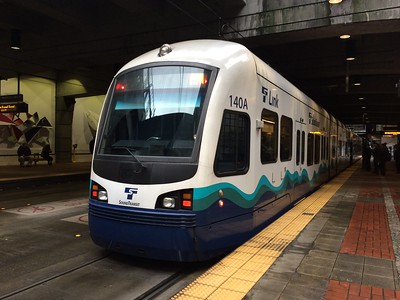
If you’ve been out-and-about between downtown Bellevue and Redmond in recent weeks you’ve likely seen light rail trains on daily practice runs. On two occasions this week I’ve stopped at crossings to let trains pass.
Trains will start running on regular schedules with passengers this spring connecting the South Bellevue station and Redmond Technology station. In the next year or so the “2 Line” will connect Redmond and Bellevue to Mercer Island and Seattle.
After years of construction it is exciting to see trains running on tracks along roadways and overpasses. Drivers and pedestrians will need to be aware of train crossings, so keep in mind:
–trains run in both directions, so always look both ways before crossing
–when driving, stay alert and observe crossing markers, lights and traffic arms
–when walking, stay alert, especially if wearing headphones or focusing on a tech screen
–use designated crosswalks and pay attention to crossing signals
–bike riders remember to cross tracks at a 90 degree angle to prevent getting stuck
It’s been a long time coming, but light rail is going to bring an efficient and exciting new way to commute to the eastside.
What are Buyer Broker Services Agreements?
 Real estate, and the laws surrounding it, is constantly changing. Beginning January 1st of this year, the State of Washington now requires that home buyers sign a Buyer Broker Services Agreement when working with a licensed broker in their search for a home.
While it sounds like a big change, Buyer Broker Services Agreements have been in use for some time; the main difference is that now they are legally mandated. Like seller agreements (the listing contract), which have long been required, the buyer agreement provides important protections for all parties involved in a real estate transaction.
Buyer Broker Services Agreements carry many benefits. They protect you from conflicts of interest, require your broker to follow specific professional guidelines and provides transparency about your broker’s legal duties and compensation. All of this adds up to enhanced clarity up front when working with a broker to purchase a home. Windermere has always encouraged the use of buyer agency agreements and now they’ll be the norm for all real estate companies and licensed brokers statewide.
If you have questions about this change, the real estate market in your community, or other real estate topics, don’t hesitate to contact me.
BELLEVUE TOWERS – love where you live
Recently available, this SE corner residence offers the perfect urban lifestyle. Live just blocks from Bellevue’s business district, shopping and dining, arts and entertainment venues, parks and light rail stations.
The generous floor plan has quality finishes throughout with an open concept design that provides plenty of space for living, dining, entertaining or working from home. A well equipped kitchen with ample work and storage space is sure to please any level chef. The primary bedroom opens to a luxury bath and large customized closet and a second bedroom and full bath serve family or guest needs.
Owner amenities include a secure lobby entry with full time concierge plus multiple indoor and outdoor amenities. Take advantage of the private urban park with fireplace, lounging and dining areas, rooftop terraces, multi-level indoor lounge, fitness studios, whirlpool, sauna and steam rooms, private dining room, screening/media room and guest suites. Four legged family members will appreciate the dedicated dog relief/play area.
https://tours.dennonvisuals.co/2186836
2 bedrooms + study/1.75 baths
1,575 square feet
secure garage parking + storage
$1,500,000
For additional information . . .
Robin Myers
425/417-8137 robinmyers@windermere.com
Downtown Bellevue First Quarter Condo Market Statistics
 2023 had a bumpy start. There’s been a lot drama and speculation regarding interest rates, the stock market, investments, employment, etc. While the eastside hasn’t been immune to these issues, the downtown Bellevue condo market has looked like a fairly normal spring market. Sales prices are gradually increasing, the difference between list price and sale price is narrowing and the days-on-market continues to decline.
DOWNTOWN BELLEVUE CONDO MARKET STATISTICS – 2023 YEAR-TO-DATE
1st Quarter 2023
total condos sold in 1st quarter 25
average sale price $913,398
average days on market 66
% of sale price vs. list price 97.7%
April 2023 sales
total condos sold in month 17
average sale price $970,382
average days on market 42
% of sale price vs. list price 99.35%
Current Pending Sales
total condo pending sales 14
average list price $1,186,986
average days on market 40
There are 42 condos actively listed for sale in downtown Bellevue with an average list price of $1,820,196. This includes several new construction pre-sale units that won’t be available for occupancy in the 3rd or 4th quarter of 2023. Removing the pre-sale units, there are just 28 homes available for occupancy within 30 days of closing escrow.